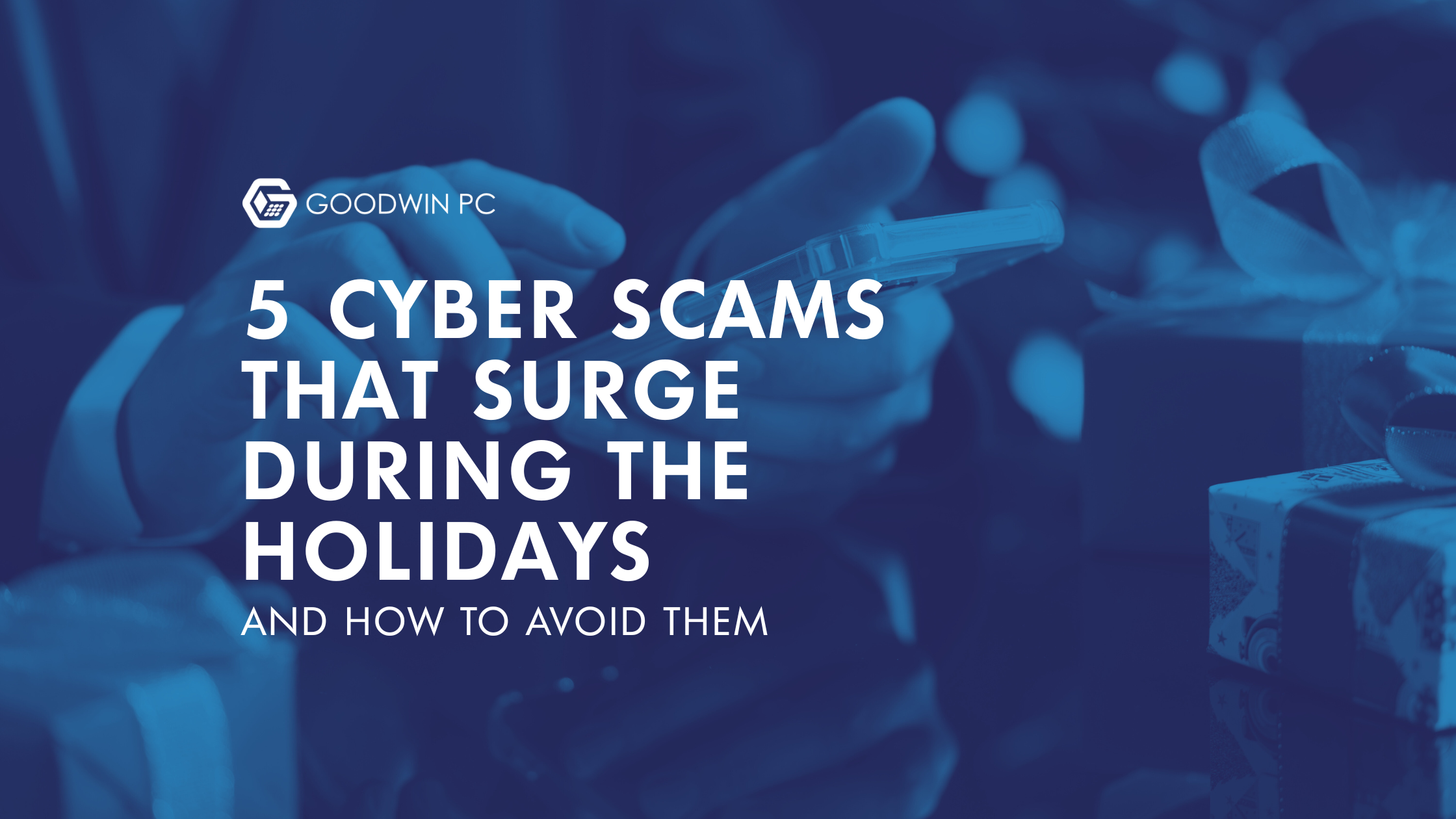
 The holidays bring a lot of joy for families and teams across the Mid-South. They also bring a sharp increase in cyber scams that target small and midsize businesses. Criminals know offices are short staffed and people are distracted. That makes this the perfect time for them to slip into inboxes and networks.
Here are the top holiday threats we are seeing right now and a few ways to stay ahead of them.
1. Fake shipping notifications
These look like Amazon, UPS or FedEx alerts and often claim there is a delivery delay. One click can install malware or take you to a fake login page that steals credentials. How to avoid it: Hover over links before clicking and go directly to the carrier’s website instead of using email links.
2. Gift card fraud targeting employees
Scammers impersonate executives and ask staff to purchase gift cards as “holiday surprises.” How to avoid it: Always verify unusual requests by phone or in person. Leadership should remind teams that they will never request gift card purchases through email.
3. Phony holiday charity emails
Cybercriminals impersonate real local charities or create fake ones. They rely on year-end generosity to trick people into donating through fraudulent links. How to avoid it: Encourage employees to confirm charities on official websites before giving.
4. End-of-year invoice scams
Scammers send rushed invoices marked as “urgent” to slip through accounting during the holiday slowdown. How to avoid it: Require verification for all new vendors and any invoice that seems out of the ordinary.
5. PayPal scams that mimic real payment requests
Scammers send fake PayPal alerts claiming a charge is pending or a dispute needs attention. These emails look convincing and often pressure the user to “act now.” How to avoid it: Do not click links inside these emails. Instead, log in to PayPal directly to confirm whether anything is wrong.
To help your team stay protected this season, download our free PayPal Scam Checklist. It shows the exact signs to look for before clicking or paying a fake request.
Need help now? Call 901-550-2142 or email support@goodwinpc.com